How Takeout Became a Way of Life
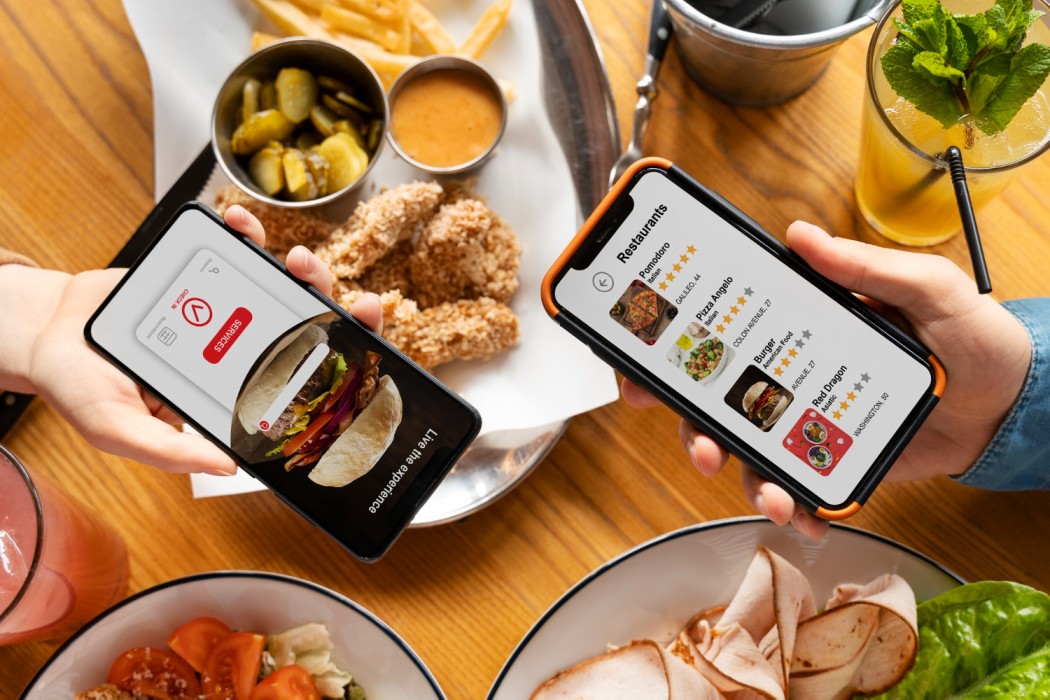
Ordering dinner with a tap on a screen may feel like a product of the digital age, but the idea of prepared meals traveling from kitchens to customers stretches back far beyond smartphones, delivery apps, or insulated pizza bags. Food delivery has evolved over centuries, shaped by social change, urbanization, technological innovation, and human need. It began as a simple exchange where prepared food was provided for coins, and grew into a global industry worth hundreds of billions of dollars that influences how societies eat and interact.
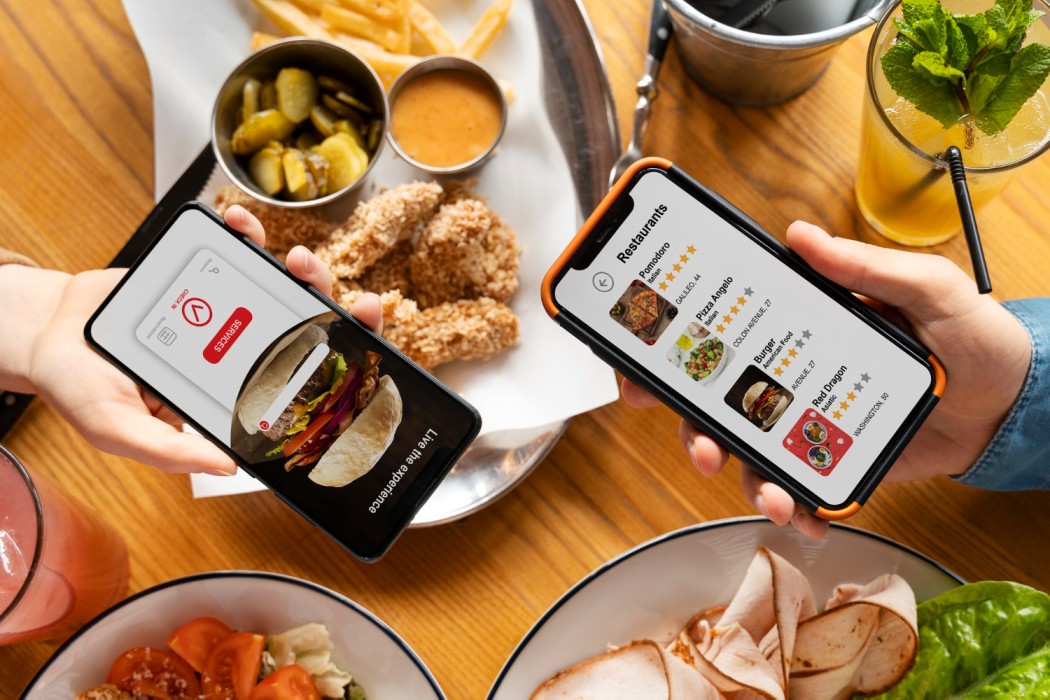
The story of takeout and delivery is also a reflection of how civilization has changed over time. Each era adapted meals in motion to its needs. Ancient Rome used communal ovens to feed workers who did not have kitchens at home. In Mumbai, the dabbawala system became a legendary example of human-powered delivery long before modern logistics existed. In 1889, the first recorded pizza delivery was sent to Queen Margherita of Italy. The 1960s sparked competition for speed in suburban America and pizza chains rose to power. Chinese restaurants in midcentury cities relied on radio dispatch to deliver to growing urban populations. The arrival of the internet and companies like Seamless and Grubhub changed how customers placed orders, while the launch of smartphones made delivery available anywhere and at any time. In the last few years, the rise of DoorDash, Uber Eats, and Deliveroo, along with the effects of the pandemic, turned delivery from a convenience into a daily routine for many households. The history of takeout is not only a story about food. It is a story of technology, labor, migration, and culture coming together.
Early Origins of Takeout: Street Food and Communal Kitchens
Long before restaurants became common, prepared food played a vital role in daily survival. Archaeological evidence shows that as early as ancient Mesopotamia and Egypt, marketplaces offered cooked food for laborers and travelers who lacked kitchens of their own. These early food stalls were not yet delivery in the modern sense, but they established a core idea that continues today: food could be prepared in one place and eaten in another.
In ancient Rome, this became a part of everyday urban life. Most residents of the city lived in small multi story apartments called insulae, which often did not include cooking spaces due to fire risk. As a result, many Romans relied on thermopolia, small tavern style counters that served hot ready made meals in clay pots. These places were early versions of takeout, allowing people to purchase food and carry it home or eat it on the street. Similar eating hubs developed across early China, where noodle shops and dumpling stalls served workers in growing cities, meeting a need for fast and affordable meals.
The Birth of Pizza Delivery in Nineteenth Century Italy
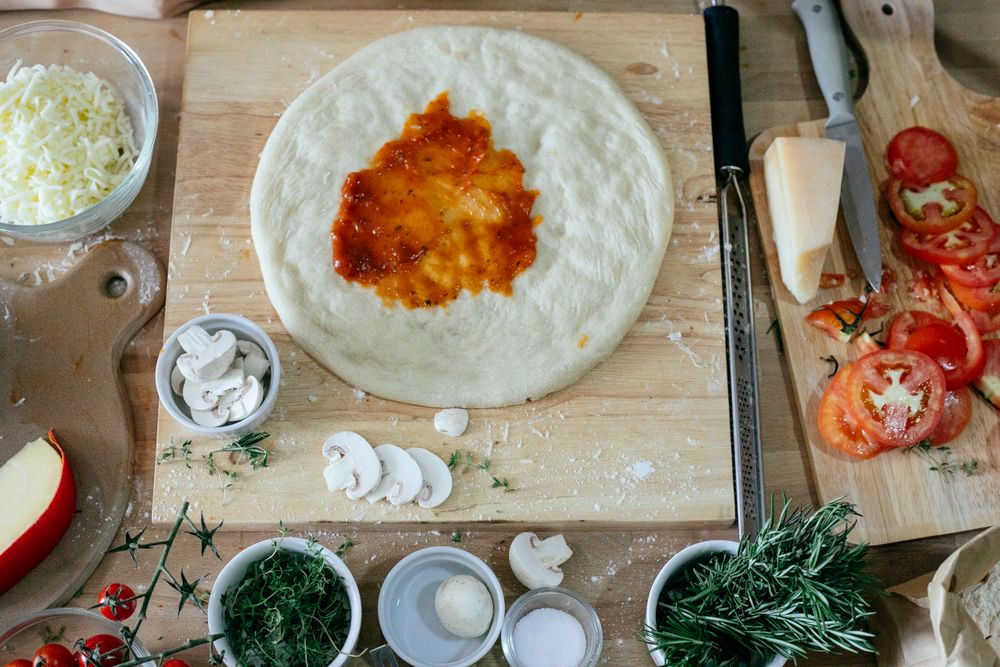
In 1889, a simple meal prepared for a queen became one of the earliest stories of food delivery to gain lasting fame. Queen Margherita of Savoy was visiting Naples when she expressed curiosity about a local flatbread dish enjoyed by the working class. Unable to visit the crowded pizzerias of the city, she requested that the food be brought to her. A Neapolitan pizzaiolo named Raffaele Esposito prepared three pizzas and delivered them to the royal residence. One of them featured tomatoes, mozzarella, and basil to reflect the colors of the Italian flag. History now remembers it as the Margherita pizza.
While this moment is sometimes romanticized, it is significant because it reflects a cultural shift. Pizza was not aristocratic food. It was street food for laborers, sold from bakeries and street stands in poor neighborhoods. The fact that it could be delivered to the queen signaled a new concept. Prepared food was becoming mobile and could cross social boundaries. The idea that a restaurant could transport food to customers was no longer unusual. In Naples, pizza delivery soon became a practical part of daily life long before it spread elsewhere. Vendors carried stacks of pizzas through narrow streets balanced on wooden boards. Some used small tin stoves strapped to their backs to keep the pizzas warm as they walked through the city. By the late nineteenth century, pizzerias were sending neighborhood boys to deliver hot pies to regular customers who often paid on credit at the end of the week.
This local delivery culture did not immediately spread beyond Naples, but it planted an idea that would later shape global food habits. Pizza found its way to new continents through migration rather than marketing. When millions of Italians sailed to the United States between 1880 and 1920, they packed their culture and recipes along with their belongings. From tenement apartments in New York to boarding houses in Chicago, pizza remained affordable and familiar. Its convenience made it ideal for takeaway and future delivery.
The story of Queen Margherita’s delivered pizza is often retold as a moment of royal curiosity, but it is much more than that. It marks an early chapter in the history of takeout, when food first began to travel not just from kitchen to table but across neighborhoods and social classes. It was the beginning of a new relationship between food, mobility, and convenience.
Dabbawala System (1890’s)
Long before smartphones, GPS, and app-based ordering, Mumbai’s dabbawala system demonstrated one of the most precise examples of human-powered logistics in the world. The network began in 1890 when Mahadeo Havaji Bacche, a Parsi banker, wanted to have home-cooked meals delivered from his family kitchen to his office. He hired a man from Pune to carry the food each day, and the service gradually expanded. By the early twentieth century, a small group of delivery men, known as dabbawalas, organized themselves into a system capable of transporting hundreds of lunchboxes across the city every day. What began as a convenience for a single office eventually evolved into a fully coordinated network serving thousands of people daily.
Today, approximately 5,000 dabbawalas deliver over 200,000 lunchboxes to office workers across Mumbai every day. Despite many being illiterate, the system relies on a sophisticated combination of color-coded markings, symbols, and sorting procedures that allow each lunchbox to travel from home to office and back with remarkable accuracy. The entire operation is mapped according to railway lines, streets, and collection points, creating a complex choreography that is executed with near-perfect precision. According to the Harvard Business Review, the dabbawalas operate at a six sigma level of efficiency, meaning their error rate is approximately one mistake for every eight million deliveries.
What makes the system remarkable is that it functions entirely without modern technology. There are no digital tracking systems, smartphones, or databases; instead, the dabbawalas rely on human coordination, discipline, and long-practiced routines. Each step is carefully timed, from the collection of lunchboxes in the morning to the final delivery at the office, and the return journey in the afternoon is equally structured.
The dabbawala system has become an international case study in logistics and operational management, illustrating how efficiency, reliability, and scalability can be achieved through organization and communication rather than technology. It highlights the value of human ingenuity, adaptability, and dedication. In an era dominated by apps and digital platforms, the dabbawalas remain a striking example of how centuries-old methods can still solve modern problems with astonishing accuracy and dependability.
WWII and Postwar Convenience (1940s–1950s)
Following the Second World War, delivery expanded beyond a few select restaurants into a wider segment of the dining industry. By the early 1950s, many American families had purchased a second car, moved to the suburbs, and embraced the growing popularity of television. As people increasingly spent evenings at home in front of their TV sets, restaurants noticed a decline in in-person dining. To respond, restaurant associations encouraged establishments to advertise “take-home” options as a solution. Those that embraced this service in the early 1950s reported sales growth of 20 to 50 percent in just one year. By the decade’s end, menus frequently highlighted that “Any Item …May Be Ordered to Take Out,” making delivery a viable option for everyday families rather than just the wealthy. Daily milk delivery also became part of this new normal, as suburban families relied on doorstep services for routine staples.
Chinese takeout and pizza emerged as particularly popular options during this period. Restaurants adapted their offerings to the needs of homebound diners, emphasizing speed, portability, and variety. Meals could now be enjoyed in front of the television, blending convenience with novelty. This shift in dining habits demonstrated the growing appetite for options that allowed families to enjoy restaurant-quality food without leaving home. Postwar delivery became integrated into daily life, shaping how Americans thought about meals and convenience. By 1944, New York City restaurants were already offering pizza for takeout, delivered “piping hot” in specially designed boxes. A few years later, Los Angeles saw one of the earliest examples of free pizza delivery when Casa D’Amore allowed customers to get pies delivered to their homes for orders over $2.50. Delivery had shifted from a novelty to a familiar part of American food culture.
The expansion of delivery continued into the 1960s as private cars became commonplace and fast-food restaurants that focused on takeout grew rapidly. The combination of suburban growth and the convenience-oriented mindset of consumers created ideal conditions for delivery to thrive. Restaurants experimented with faster service, specialized packaging, and streamlined processes to get food from kitchen to home efficiently. What began as a way to offset declining dine-in revenue had evolved into a routine feature of American life, establishing the foundation for modern delivery services.
As the 1960s approached, the rise of private automobiles further transformed food delivery. Fast-food restaurants that focused on takeout became the fastest-growing segment of the industry, building on the foundation laid in the previous decade. Families no longer needed to travel far for prepared meals, and the idea of food arriving at the doorstep became an expected and celebrated part of suburban life.
Pizza Hut and the Birth of Online Food Ordering
In 1994, Pizza Hut introduced PizzaNet, the first web page that let customers order pizza online. While orders still required phone verification, it gave people a glimpse of the convenience of digital food ordering. Customers could log onto pizzahut.com, select their toppings, and place an order without leaving home, a huge leap from the traditional method of calling in each pizza by hand.
Though primitive by today’s standards, PizzaNet was groundbreaking. Orders from select California locations were sent to central servers in Kansas, then relayed to local restaurants for confirmation. This early experiment set the stage for the seamless online and mobile ordering systems that most of us rely on today.
The Internet Changes Everything 2000 to 2019
The early 2000s marked a turning point in how people ordered food. Instead of reading menus from takeout flyers or calling restaurants one by one, customers could now browse digital menus on their computers. Companies like Just Eat in 2001 and Grubhub in 2004 gathered restaurant menus in one place, making it easier to compare options and place orders online. These early platforms were basic but effective and they proved that customers liked the convenience of clicking through a menu rather than waiting on hold. As more restaurants embraced the internet, online ordering became more polished and user friendly. Websites improved their layouts and checkout functions and they began to look more like the e-commerce sites people were already using. Photos were added to menus and payment systems became secure enough for customers to store their information safely. Restaurants also began introducing customer accounts so people could reorder favorites instantly. What started as a clunky experiment in the late 1990s evolved quickly into a smoother digital experience that signaled the future of food service.
By the late 2000s, major pizza chains like Domino’s and Pizza Hut had created their own online ordering platforms and mobile applications. These tools made ordering fast and customizable and features such as digital coupons, saved favorites, and promotional deals encouraged repeat business. The switch to digital was more than a tech trend. It was a major economic shift. By the end of the decade, large pizza chains were already doing between 20 percent and 30 percent of their total business online. Digital ordering had officially become a revenue engine.
The next era belonged to platforms that took delivery beyond restaurant websites. Services like DoorDash, Uber Eats, Grubhub, and Deliveroo combined online ordering with driver networks and logistics systems. Delivery was no longer limited to pizza or Chinese food. Almost any restaurant could now tap into delivery demand without hiring its own drivers. Behind the scenes these apps used algorithms to assign orders, predict delivery times, and optimize routes. They also collected customer data to suggest new restaurants and menu items. By 2019, ordering food online was no longer just a convenience. It had become an everyday habit. Real time tracking, saved payment methods, and scheduling tools made ordering feel effortless and personal. Technology had turned delivery into a polished system that reshaped dining culture around the world.
Delivery Disruption and Reinvention in the 2020s
When the COVID 19 pandemic began in early 2020, food delivery evolved from a convenience into a lifeline. With dining rooms closing across the United States and around the world, even restaurants that had long resisted delivery were forced to adapt in order to survive. According to CNBC, major dining groups like Darden Restaurants, parent company of Olive Garden, began offering delivery after years of avoiding it. At the same time, high end and Michelin starred restaurants that once dismissed delivery as beneath their brand suddenly shifted online. They built takeout menus, offered curbside pickups, and partnered with delivery services to keep revenue coming in. This period marked a dramatic transformation in food service culture and permanently changed how many restaurants operate.
Many chefs and small restaurant owners described 2020 as a year of survival. Restaurants laid off large portions of their staff and relied on delivery orders just to cover payroll and basic expenses. In New York and San Francisco, fine dining restaurants simplified their menus so that meals could travel well to customers. Some shifted to family style portions while others sold premium products such as wine and caviar alongside meals. With little warning, phone lines, social media messages, email ordering and third party delivery apps became essential business tools. Contactless delivery, made popular during the early months of lockdown, gave customers reassurance and became a permanent feature of service. Delivery was no longer only pizza and takeout. It was a cultural shift that changed the way food reached people in their homes.
Delivery apps experienced explosive growth during the pandemic. Uber Eats, DoorDash, and Grubhub expanded rapidly as millions of customers who had never used delivery apps before began ordering meals from their phones. Demand was so high that new models such as virtual brands also appeared. These were restaurants that existed only online and operated out of existing kitchens. For restaurants struggling with high overhead costs, virtual brands provided additional revenue without needing new storefronts or seating. Delivery had officially moved from a convenience economy to a survival economy, reshaping everything from packaging to menu design. By 2023, the delivery industry began transitioning from survival mode to a new era driven by automation and futuristic technology. Companies started investing in robots, drones, and smart delivery systems designed to speed up service and lower labor costs. In Russia, the tech company Yandex began deploying autonomous delivery rovers through its Yandex Eats platform. These small robots navigated sidewalks and streets, delivering food across parts of Moscow and the tech hub city of Innopolis. Customers could track each rover like a delivery driver and unlock their order using a smartphone.
The Future for Food Delivery
Drone delivery also moved closer to everyday reality. Amazon continued expanding drone testing programs aimed at delivering small food and grocery orders in minutes. Other companies began exploring the use of drones for rural areas where human delivery services were slow or expensive. Meanwhile, smart food lockers began appearing in cities and on college campuses. These lockers allowed customers to pick up hot meals and groceries without face to face interaction.
Artificial intelligence is now shaping the future of delivery behind the scenes. Food apps use AI to personalize recommendations and highlight menu items suited to each user. AI also helps delivery companies plan faster routes and predict demand based on weather, time of day, and location. Some restaurants have even started experimenting with automated kitchens and voice ordering. Delivery is no longer just an add on service. It has become a central part of how the global food system operates and will continue to evolve with technology. From milk delivery wagons and handwritten orders to AI powered apps and drone drop offs, food delivery has evolved alongside technology and culture. What began as a simple convenience has become a defining part of modern life and a permanent force in the global food economy. Delivery now shapes how restaurants operate, how consumers eat, and how technology integrates into daily routines. As automation expands and customer expectations continue to rise, the story of food delivery is still being written.
 I’ve always loved food and I’ve always loved sharing my love of food with the world. This love led me to become a professional foodie, opening my very own restaurant called The Great American Cafe and writing a blog called Foodieso.com, where I’ve been able to share my recipes, ideas and thoughts about food.